
DIY Leak Tests for Water Leak Detection in Residential and Commercial Areas
Water leaks can cause significant damage to both residential and commercial properties, leading to wasted water, increased utility bills, and expensive repairs if left undetected. Thankfully, there are several DIY leak tests you can perform to spot leaks early, without needing professional assistance. Below, we’ll walk through a variety of simple, effective leak detection methods for different areas of your property. Whether you’re dealing with a leaky pool, a suspected plumbing issue, or an outdoor irrigation system, these methods can help you save water and money.
1. Visual Inspection: The First Step in Leak Detection
Best for: Pools, spas, fountains, pipes, plumbing systems
What it is: Before jumping into more advanced tests, a visual inspection is an essential starting point. A quick check around your home or commercial property can reveal signs of leaks. Look for visible cracks, wet spots, or areas where water shouldn’t be. For pools and spas, check the pool surface and equipment; for plumbing, inspect visible pipes and fittings.
How to perform it:
- Pools and Spas: Examine the pool shell for cracks or damage. Look around pumps, filters, and skimmers for wet spots or water accumulation.
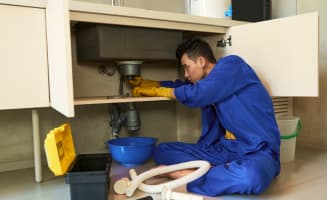
- Pipes and Plumbing: Check exposed pipes under sinks, around toilets, and in basements for signs of moisture or corrosion. Pay particular attention to pipe joints and valves.
Why it works: Sometimes, leaks are easy to spot. If water is pooling where it shouldn’t be, there’s likely a problem. For example, cracks in the pool shell or equipment, or damp areas around plumbing joints, are clear indicators of a leak.
2. Bucket Test for Pools and Spas: Is Your Pool Losing Water?
Best for: Pools and spas
What it is: The bucket test is a simple yet effective method to determine if your pool or spa is losing water due to a leak or just normal evaporation. Evaporation typically happens gradually, but a significant drop in water level in just a few days can indicate a leak.
How to perform it:
- Fill a bucket with water and place it on one of the steps in your pool or spa.
- Mark the water level on both the inside of the bucket and the pool/spa water level.
- Wait 24 to 48 hours without using the pool (make sure there’s no rainfall during this period).
- After waiting, check if the pool’s water level has dropped more than the water in the bucket.
Why it works: If the water level in your pool drops faster than in the bucket, then there’s likely a leak. This test can help you rule out evaporation and get a better idea of the extent of the leak.
3. Dye Testing for Pools, Spas, and Fountains: Finding Hidden Leaks
Best for: Pools, spas, and fountains
What it is: Dye testing is one of the most straightforward ways to find a leak in water features like pools, spas, or fountains. By adding a colored dye to the water, you can trace the path of the leak and pinpoint its location. This method works especially well in areas where leaks are hard to detect, such as cracks in the pool shell or around plumbing equipment.
How to perform it:
- Purchase a pool dye kit or use food coloring as an alternative.
- Add the dye near areas you suspect may have a leak (e.g., cracks in the pool or joints around equipment).
- Watch the movement of the dye. If the dye is pulled toward a particular area, it indicates water is leaking from that spot.
Why it works: Leaks often create water movement or suction, and the dye will travel toward the leak. This method is especially effective for detecting leaks in pool walls, floor cracks, skimmers, and plumbing connections.
4. Pressure Testing: Checking the Plumbing System for Hidden Leaks
Best for: Residential and commercial plumbing systems
What it is: Pressure testing is commonly used by professionals, but you can also try it as a DIY method to check your plumbing system for leaks. By monitoring changes in water pressure, you can detect potential leaks in your pipes, even those hidden behind walls or underground.
How to perform it:
- Turn off all faucets and appliances that use water in the house or building.
- Attach a pressure gauge to an accessible water line, such as an outdoor faucet or hose bib.
- Record the initial pressure reading.
- Wait a few hours (or a day) without using any water in the system.
- Recheck the pressure. If the pressure has dropped, there’s likely a leak in the system.
Why it works: A significant drop in water pressure is a strong indicator that water is escaping somewhere in the system. This test helps identify leaks in pipes, valves, and fittings.
5. Soap and Water Leak Test: Detecting Leaks in Pipes and Fixtures
Best for: Pipes, faucets, and plumbing joints
What it is: The soap and water test is one of the simplest and most cost-effective ways to find leaks in pipes, faucets, and plumbing fixtures. By applying a mixture of soap and water to suspected areas, you can look for bubbles that form when air escapes through a leak.
How to perform it:
- Mix dish soap with water in a spray bottle or use a sponge to apply the soapy water to the suspected leak areas.
- Spray or apply the soapy water to joints, valves, or pipe connections.
- Turn on the water supply and watch carefully for bubbles.
Why it works: Leaks allow air to escape, and the soapy mixture will form bubbles where air is leaking out. This method is particularly useful for small leaks in plumbing or fixtures.
6. Toilet Leak Test: A Common Leak Spot in Homes
Best for: Toilets in residential settings
What it is: Toilets are a common source of hidden leaks, often caused by faulty flappers or valves that allow water to trickle into the bowl. The food coloring test can help you identify this type of issue quickly.
How to perform it:
- Add a few drops of food coloring into the toilet tank.
- Wait 15-30 minutes without flushing the toilet.
- Check the toilet bowl for any change in color.
Why it works: If the water in the toilet bowl changes color, it means water is leaking from the tank into the bowl. This is usually due to a worn-out flapper or other valve issue.
7. Check Your Water Meter: Simple Whole-House Leak Test
Best for: Whole-house plumbing or commercial water systems
What it is: Your water meter is a useful tool for detecting leaks across your entire plumbing system. If the meter shows a significant increase in water usage without any corresponding increase in consumption, a leak may be the culprit.
How to perform it:
- Turn off all water sources in your home or commercial building, including outdoor faucets and appliances.
- Record the water meter reading.
- Wait at least 1-2 hours without using any water.
- Recheck the meter. If it has changed, there’s likely a leak somewhere in your system.
Why it works: The water meter records all the water usage in your building. If no water is being used, but the meter still shows activity, it’s a strong indicator of a hidden leak.
8. Concrete and Surface Crack Inspection: Detecting Leaks in Pools and Fountains
Best for: Concrete pools, spas, and fountains
What it is: Concrete surfaces like pool shells, fountain basins, and patios can develop cracks over time, leading to water leaks. Inspecting these surfaces closely can help detect potential leak points.
How to perform it:
- Turn off all water sources in your home or commercial building, including outdoor faucets and appliances.
- Look for visible cracks or chips in the concrete surface of your pool, spa, or fountain.
- Apply a small amount of water to the cracks or areas where you suspect a leak.
- Observe if the water is absorbed more quickly in certain areas, indicating a potential leak.
Why it works: Concrete cracks can easily absorb water, especially if the crack goes deep enough to compromise the integrity of the structure. This test helps identify leaks in areas that may not be immediately visible.
How to perform it:
Performing DIY leak tests can help you quickly identify water leaks in both residential and commercial properties. These simple and affordable methods are perfect for homeowners and business owners looking to detect issues early and avoid costly repairs.
However, while these DIY methods can help pinpoint the source of the leak, they may not always be able to identify hidden or underground leaks. For more complex issues, especially in plumbing systems or larger properties, it’s recommended to call in a professional leak detection service, like USA Leak Detector, to ensure a thorough inspection and accurate diagnosis.
Performing DIY leak tests can help you quickly identify water leaks in both residential and commercial properties. These simple and affordable methods are perfect for homeowners and business owners looking to detect issues early and avoid costly repairs.